
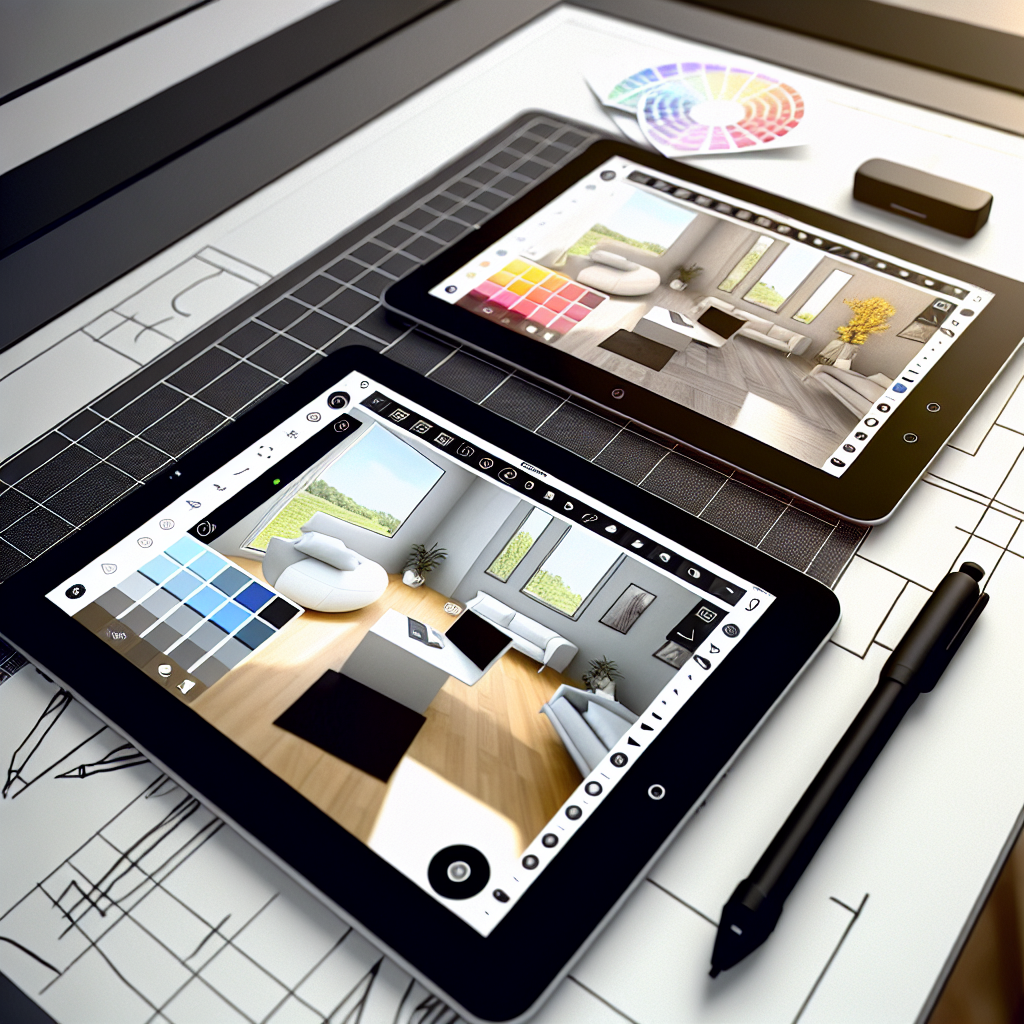
In the fast-evolving world of interior design, professional apps have become essential tools for creating stunning, functional spaces efficiently. From conceptualizing layouts to sourcing materials, designers rely on specialized software to streamline their workflow. In this article, we will explore the top 3 apps that every interior designer uses to elevate their projects and impress clients.
Advanced Design and Visualization Tools
Interior designers depend heavily on comprehensive design apps to visualize their concepts in realistic detail. Autodesk AutoCAD and SketchUp are two industry giants favored for their detailed 2D drafting and 3D modeling capabilities. AutoCAD offers precision drawing tools perfect for creating detailed floor plans, elevations, and technical layouts that ensure accuracy during construction phases. Conversely, SketchUp’s intuitive interface allows designers to build immersive 3D models quickly, helping clients better understand spatial arrangements and design intent.
But visualization is just one part of the process. Modern apps also allow designers to experiment with different color schemes, textures, and lighting scenarios. Revit integrates Building Information Modeling (BIM) to facilitate complex project management, while Chief Architect simplifies interior design visualization, providing photorealistic renderings that communicate the vision effectively. These tools help bridge the gap between concept and completion, reducing costly revisions and boosting client confidence.
Material and Product Sourcing Apps
Another crucial area where interior designers rely on specialized apps is sourcing materials, furniture, and decor. Having quick access to an extensive database of products ensures designs can be realized efficiently and within budget. Houzz functions as both a source of inspiration and a shopping platform, featuring millions of products along with the ability to contact professionals directly. Its curated product catalogs aid designers in selecting high-quality materials and furnishings suited to their project’s aesthetic and functional needs.
Complementing this, Pinterest remains an invaluable mood board tool, aggregating images of interiors, materials, and accessories from around the world. For more specific product sourcing, apps like Material Bank allow interior designers to order samples of fabrics, paints, and finishes, streamlining the selection process. Using these apps, designers stay informed about the latest trends, eco-friendly options, and innovative materials, ensuring their designs are both stylish and sustainable.
In conclusion, the top apps for interior designers—ranging from advanced design and visualization tools to efficient material sourcing platforms—have dramatically transformed the industry. These digital resources not only enhance creativity but also improve accuracy and client engagement, making the design process more seamless and professional. Embracing these tools is essential for modern interior designers aiming to deliver standout results in today’s competitive market.