
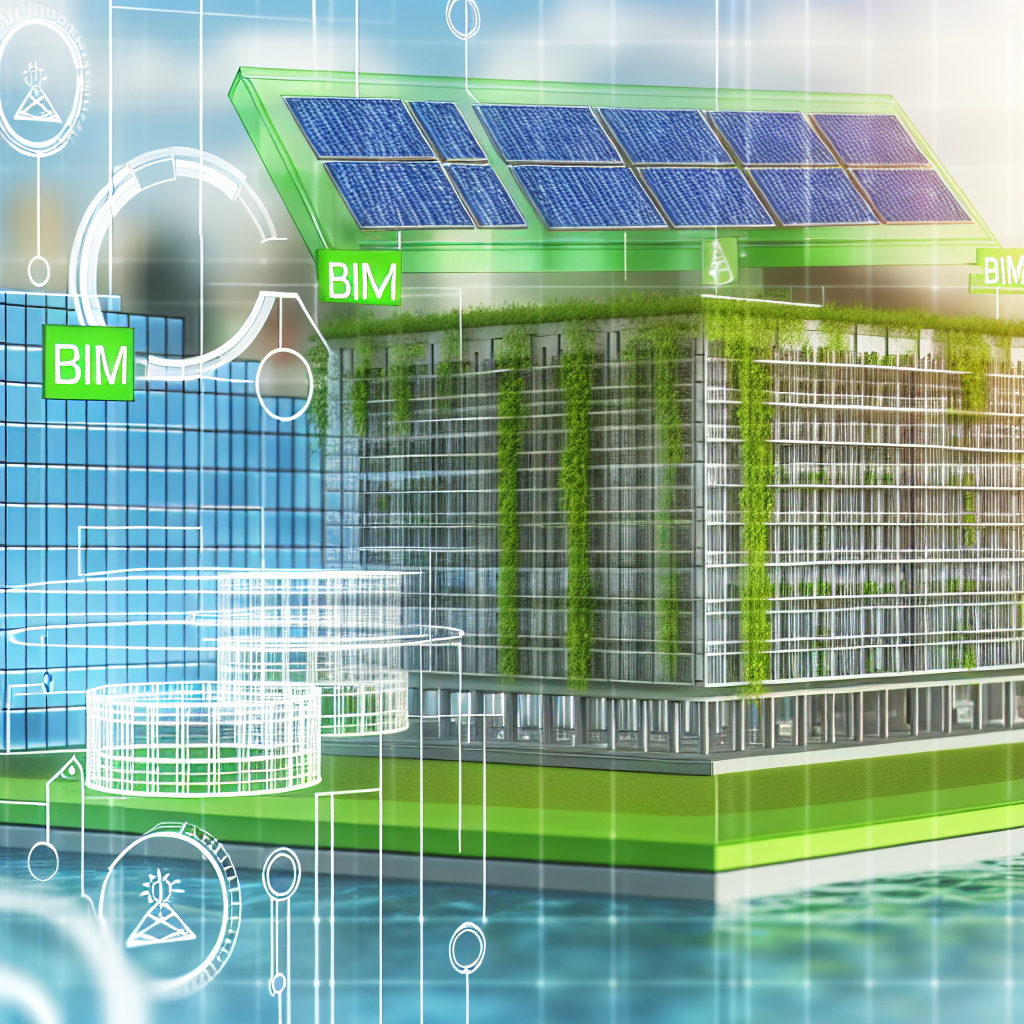
In today’s construction and architecture industries, sustainable design principles combined with advanced technologies like Building Information Modeling (BIM) are revolutionizing how projects are conceived, executed, and maintained. This article explores how integrating sustainable practices with BIM technology can lead to more eco-friendly, efficient, and cost-effective built environments.
Harnessing Sustainable Design for a Greener Future
Sustainable design focuses on minimizing environmental impact while maximizing energy efficiency, resource conservation, and occupant well-being. It integrates principles like passive solar design, sustainable materials, and renewable energy sources into the entire lifecycle of a project, from conception to demolition. By prioritizing eco-friendly strategies, designers aim to create buildings that not only reduce carbon footprints but also promote health and productivity.
One crucial aspect of sustainable design is integrated planning, where stakeholders collaborate early in the project to identify achievable sustainability goals. This includes selecting materials with low embodied energy, optimizing building orientation for natural light, and designing for water conservation. Advances in software tools also facilitate the simulation of energy consumption, allowing architects to refine designs for maximum efficiency before construction begins. Ultimately, sustainable design goes beyond aesthetics, fostering resilient environments that benefit both the planet and its inhabitants.
The Power of BIM Technology in Sustainable Building Practices
Building Information Modeling (BIM) is a digital process that creates a detailed, three-dimensional representation of a building’s physical and functional characteristics. BIM enhances sustainable design by providing accurate data for decision-making throughout the project lifecycle. It allows architects, engineers, and contractors to collaborate in real-time, identifying potential issues early and optimizing resource use.
Integrating BIM with sustainable objectives opens new avenues for environmental impact reduction. For example, energy modeling within BIM helps evaluate the effectiveness of passive solar designs and insulation strategies. It also facilitates material selection analysis, prioritizing sustainable options and reducing waste. Moreover, BIM enables life cycle assessment (LCA), providing insight into the long-term environmental impact of building components. This synergy results in smarter, greener buildings that meet regulatory standards, reduce operating costs, and promote occupant well-being.
Conclusion
In essence, combining sustainable design principles with BIM technology fosters innovative, eco-conscious construction practices. This integration enhances decision-making, improves resource efficiency, and creates healthier environments. As the industry continues to evolve, leveraging these tools and concepts will be vital for building a more sustainable future — making construction smarter, greener, and more responsible for generations to come.