
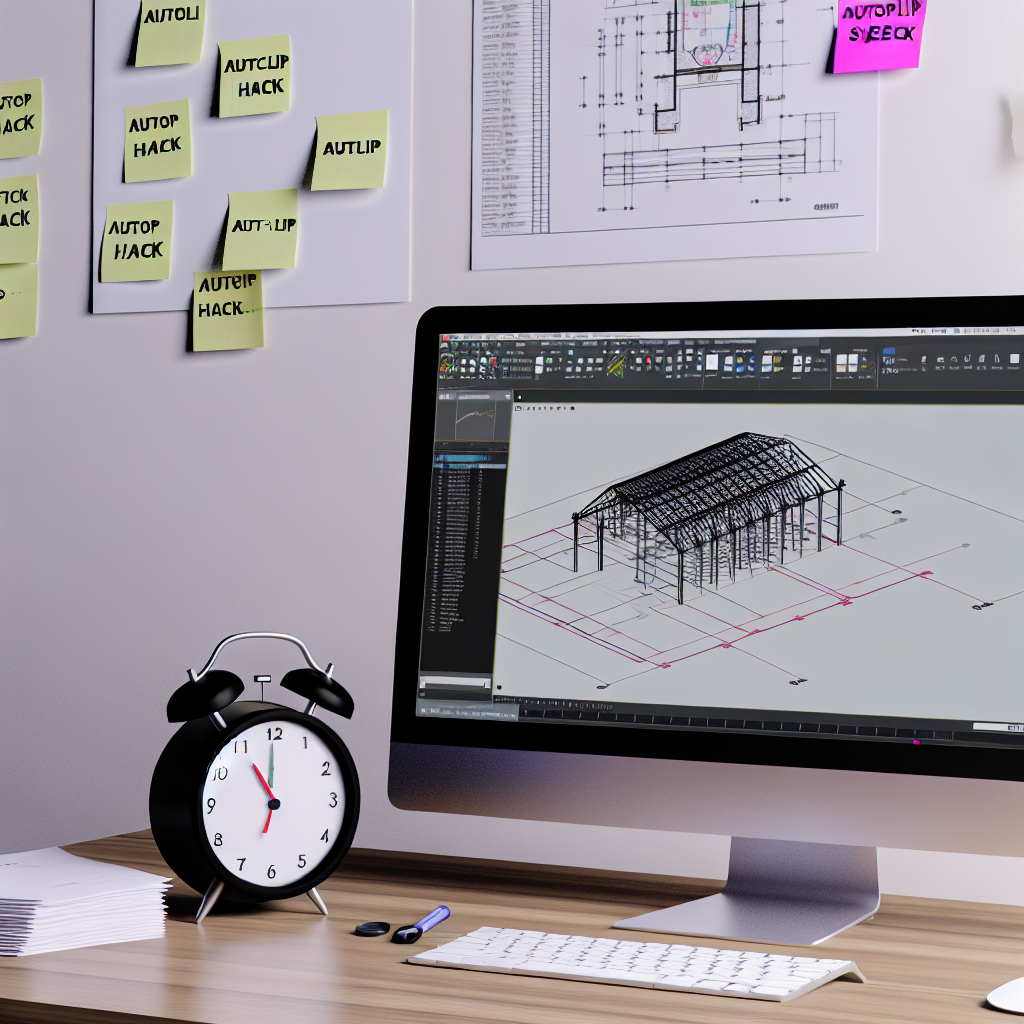
Creating **AutoCAD structural plan drawings** quickly and efficiently is essential for architects and engineers aiming to meet tight deadlines without compromising quality. In this article, we will explore a powerful hack—**AutoLip**—that can significantly speed up your workflow. Discover how to leverage this method to produce accurate structural plans faster than ever before.
Understanding the AutoLip Hack and Its Benefits
The **AutoLip** technique is a shortcut method designed to streamline the process of drawing structural plans within AutoCAD. It leverages specific commands, templates, and automated scripts to reduce manual input, minimize errors, and improve overall speed. This hack is especially valuable for repetitive tasks like creating foundation layouts, beam placements, and wall alignments, which typically consume a lot of time.
Benefits of using AutoLip for structural plans:
- *Significantly reduces drawing time*
- *Enhances accuracy and consistency*
- *Simplifies complex layering and annotation processes*
- *Improves workflow efficiency for large projects*
By understanding the core principles behind AutoLip, users can customize their workflows to suit project-specific needs, making the entire drawing process more intuitive and less labor-intensive.
Implementing the AutoLip Hack Effectively
To maximize the advantages of AutoLip, follow these critical steps:
- Template Preparation: Start by creating standardized templates for different types of structural elements. Incorporate predefined layer structures, annotation styles, and block references that AutoLip can automate.
- Utilize Automation Scripts: Utilize or develop AutoLISP routines that automate repetitive tasks such as line drawing, dimensioning, and labeling. These scripts save countless hours by executing multiple commands with a single trigger.
- Customize Command Sequences: Configure command sequences tailored to your typical workflows, integrating shortcut keys and macros. This customization ensures that complex tasks are completed with minimal manual intervention.
- Practice and Fine-Tune: Dedicate time to practice this hack within your projects, adjusting scripts and templates as needed for different project types. Fine-tuning ensures optimal performance and minimizes errors.
For example, a common approach involves scripting AutoLip routines that automatically draw load-bearing walls, add reinforcement details, and apply annotation layers based on simple inputs. This reduces the need for manual drawing and annotation, allowing the engineer to focus on higher-level structural analysis.
Additionally, integrating AutoLip with other AutoCAD plugins or external tools like **Dynamo** can further enhance automation, enabling a comprehensive, faster workflow.
Conclusion
Mastering the **AutoLip hack** transforms the way you create AutoCAD structural plans by drastically reducing drawing time and improving accuracy. Properly preparing templates, leveraging automation scripts, and customizing command sequences are key to implementing this method effectively. Embrace this workflow to elevate your productivity and ensure timely project delivery in your architectural or structural engineering tasks.