
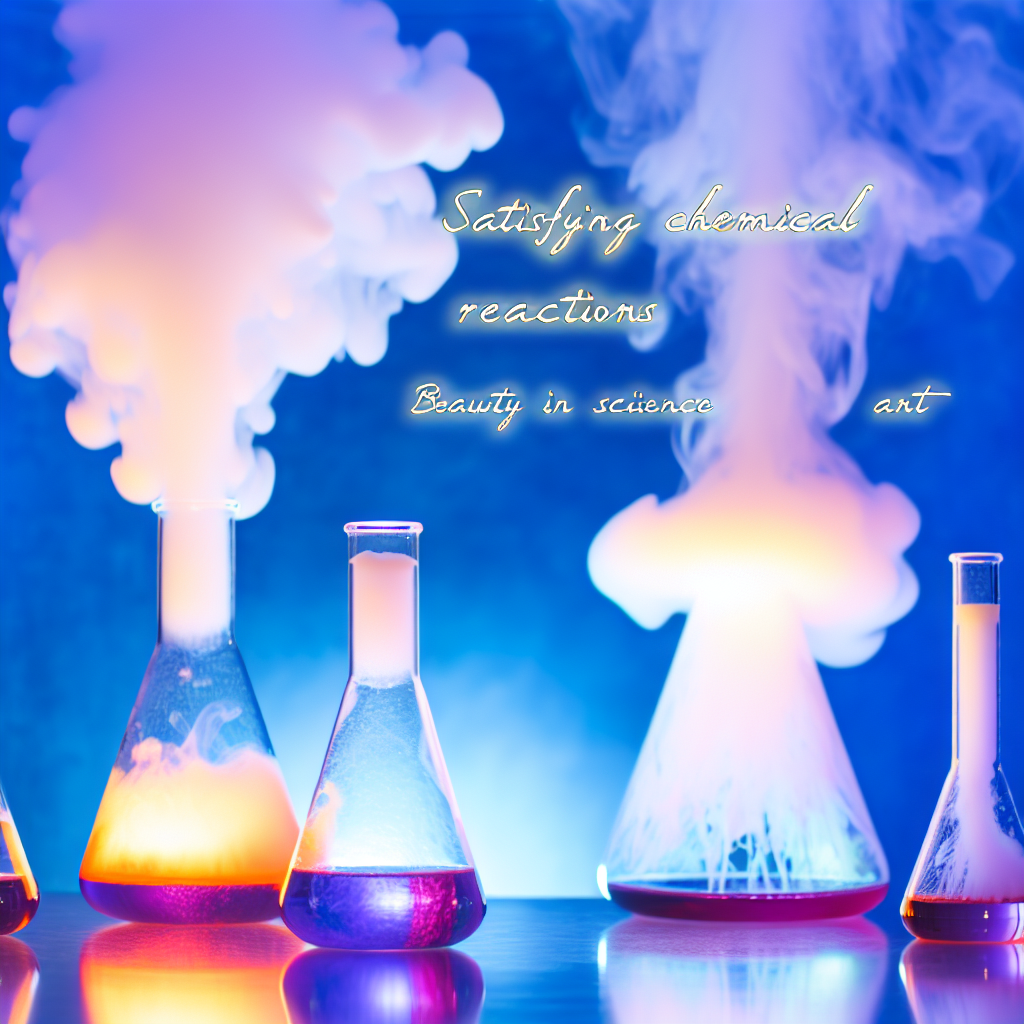
Chemical reactions are fundamental to understanding how substances interact to produce new compounds, often resulting in visually satisfying or fascinating outcomes. These reactions can demonstrate unpredictable beauty, remarkable energy releases, or intricate patterns that captivate both scientists and enthusiasts alike. Exploring what makes a chemical reaction satisfying reveals insights into the nature of chemistry itself.
The Elements of a Visually Appealing Chemical Reaction
Many chemical reactions are considered *satisfying* due to their visual appeal and the sense of transformation they evoke. These reactions often involve striking color changes, dramatic energy releases, or mesmerizing pattern formations. For example, the **precipitation reactions** where insoluble salts form instantly and create cloudy or vibrant layers are particularly captivating. Similarly, **flammable reactions** like combustion produce dazzling flames and explosions that evoke awe and excitement.
Beyond mere aesthetics, these reactions symbolize the underlying principles of chemistry — **molecular interactions, energy transfer, and reaction kinetics**. Recognizing the factors that contribute to their satisfying nature can deepen our appreciation for chemical processes and inspire curiosity or even practical applications in fields like art, education, or industry. The thrill of witnessing a reaction that transforms substances into something entirely new fuels interest in chemistry’s creative aspects.
Factors That Enhance the Satisfaction of Chemical Reactions
Several factors make a chemical reaction not only scientifically interesting but also visually and emotionally satisfying. These include:
- Color Changes: Reactions that produce vivid, unpredictable colors tend to be more satisfying, such as the color shift in chromate or permanganate reactions.
- Energy Release: Exothermic reactions like **fireworks** or **candle flames** release energy visibly, creating a sensory delight.
- Pattern Formation: Reactions such as **Belousov-Zhabotinsky** oscillating reactions create mesmerizing color waves and dynamic patterns, providing a sense of rhythmic beauty.
- Unexpected Outcomes: Surprising transformations, like **elephant toothpaste**, where foam erupts vigorously, evoke a “wow” response that combines scientific curiosity with visual spectacle.
The combination of these factors can turn routine chemical processes into captivating displays of nature’s complexity. This intersection of science and artistry exemplifies how chemistry is not only about reactions but also about creating visually satisfying and meaningful phenomena.
Conclusion
In summary, a satisfying chemical reaction captivates through vivid colors, energy release, and pattern formation. These reactions highlight the beauty hidden within chemical processes, making science engaging and accessible. Whether for educational purposes or simple entertainment, understanding what makes a reaction satisfying enhances our appreciation for chemistry’s creative and dynamic nature. Embrace these reactions and explore their mesmerizing world!