
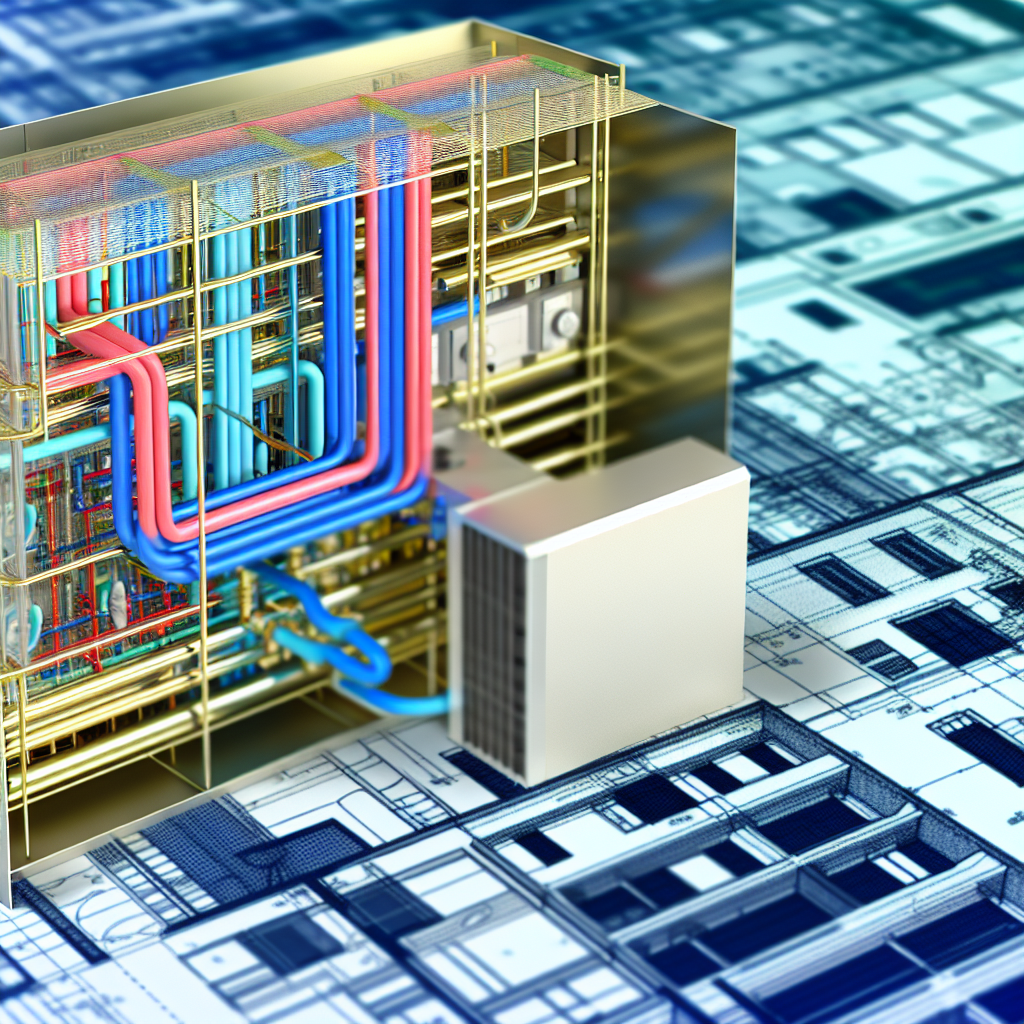
Welcome to Revit MEP Tutorial 14, where we delve into the fundamentals of HVAC systems, a crucial component in building design and mechanical engineering. In this guide, you’ll learn about the essential types of HVAC systems, their significance, and how to model them effectively within Revit MEP. Mastering these concepts will enhance your ability to create efficient and compliant building designs.
Understanding HVAC Systems in Building Design
Heating, Ventilation, and Air Conditioning (HVAC) systems are the backbone of indoor environmental quality, providing thermal comfort, air quality, and humidity control. In Revit MEP, designing HVAC systems begins with understanding their core functions and how they integrate into the building’s mechanical layout. HVAC systems are responsible for maintaining optimal indoor conditions, which directly impact occupant comfort and health.
Different types of HVAC systems are suitable for various building types and requirements, influenced by factors like building size, purpose, climate zone, and energy efficiency goals. A comprehensive understanding of these options allows designers to select and model the most effective system for each project, ensuring sustainability and cost-effectiveness.
Types of HVAC Systems
- Split Systems: These are commonly used in residential and small commercial buildings. They consist of separate indoor and outdoor units, such as traditional air conditioning units paired with furnaces.
- Packaged Systems: All components are housed in a single unit, typically installed on rooftops. They are space-efficient and simple to maintain, ideal for commercial applications with limited indoor space.
- Hydronic Systems: These utilize water or other fluids to transfer heat, often through radiators or underfloor heating, providing efficient thermal comfort especially in larger or specialized buildings.
- Variable Refrigerant Flow (VRF) Systems: Offer superior energy efficiency and zoning capabilities, suitable for large commercial or multi-use buildings where different areas require different temperatures.
- Chilled Beam and Radiant Heating Systems: Focus on delivering comfort through radiant heat or cooling, often combined with ventilation systems to maximize indoor air quality while minimizing energy consumption.
Design Considerations and Modeling in Revit MEP
When modeling HVAC systems in Revit MEP, it’s essential to consider factors like airflow requirements, thermal loads, space constraints, and energy efficiency. Properly choosing and representing different HVAC types allows for accurate simulation, clash detection, and documentation. Revit’s tools enable detailed modeling of ductwork, piping, and equipment, aligning with the selected system’s specifications.
Integrating HVAC systems into your Revit models involves understanding the specific components, such as diffusers, vents, ducts, and control devices, and how they connect within the building’s overall mechanical system. The software’s parametric capabilities facilitate optimized design, ensuring both performance and compliance with building standards.
In conclusion, understanding various HVAC system types and their appropriate application in Revit MEP is crucial for creating efficient, compliant, and sustainable building designs. By mastering the selection and modeling process, you’ll significantly enhance your ability to deliver high-quality projects that meet both client needs and regulatory standards.