
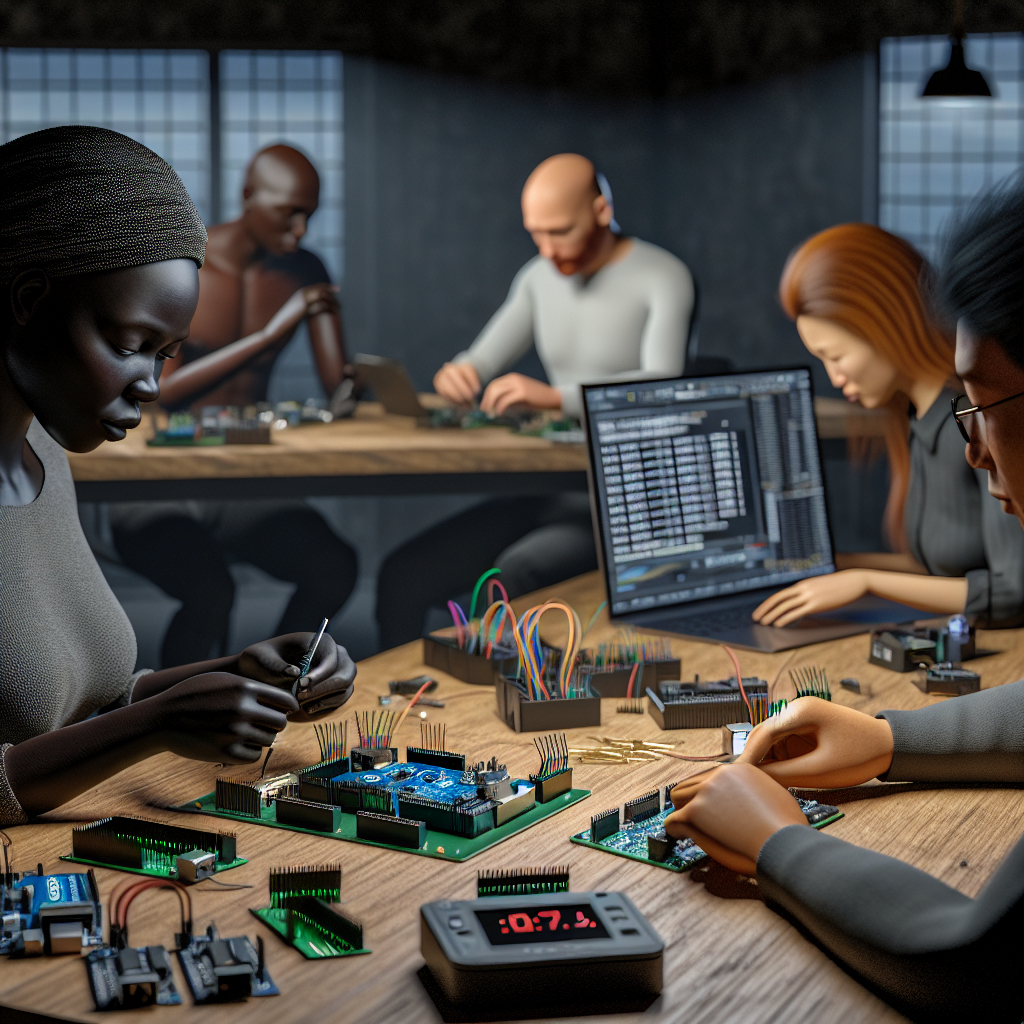
Ever wonder what it’s like when the quiet kid becomes your homework helper? Sometimes, the most unassuming students surprise everyone by showcasing impressive skills—especially in tech, electronics, and engineering. This article explores how a silent but clever peer can turn into your go-to resource for DIY projects, particularly with Arduino and other electronic hobbies, transforming mundane tasks into exciting innovations.
The Power of Quiet Confidence in Electronics and Arduino projects
Behind the quiet facade of many students lies an impressive mastery of electronics and engineering principles. The silent kid often spends hours tinkering with circuits, debugging code, and experimenting with microcontrollers like Arduino. Their proficiency in understanding complex concepts—such as sensor integration, serial communication, and power management—makes them invaluable in collaborative projects. Their quiet demeanor shouldn’t be mistaken for lack of knowledge; instead, it often signifies a deep focus and passion for problem-solving.
In the realm of Arduino projects, these students tend to excel in creating innovative solutions with minimal guidance. They might develop automated systems to solve everyday problems, such as automated plant watering or smart home controls, showcasing their technical skills and creativity. Learning to leverage their quiet confidence can inspire others and foster an environment where technical curiosity flourishes.
Harnessing the Potential of the Silent Tech Enthusiast
Encouraging the quiet kid to share their projects can unlock a wealth of knowledge and ideas that benefit the entire group. Their approach often combines meticulous planning with precise execution—qualities essential for successful engineering. By involving them in collaborative efforts, peers not only gain hands-on experience but also learn the importance of patience and attention to detail.
Integrating their skills might involve setting up team-based challenges, such as designing a robot or simple automation system, where their expertise shines. Additionally, providing platforms like Arduino boards, sensors, and coding tutorials can empower these students to showcase their talents. Their innovative solutions can then serve as inspiration for others, fostering a culture of curiosity and technical excellence.
In conclusion, the quiet kid who does your homework might be a hidden gem in electronics and engineering. Their calm demeanor often belies a profound understanding of Arduino and related technologies. By recognizing and supporting their talents, we can foster a collaborative environment where innovation thrives. Embracing these quiet innovators not only enhances learning but also broadens our appreciation of hidden potential in technical fields.