
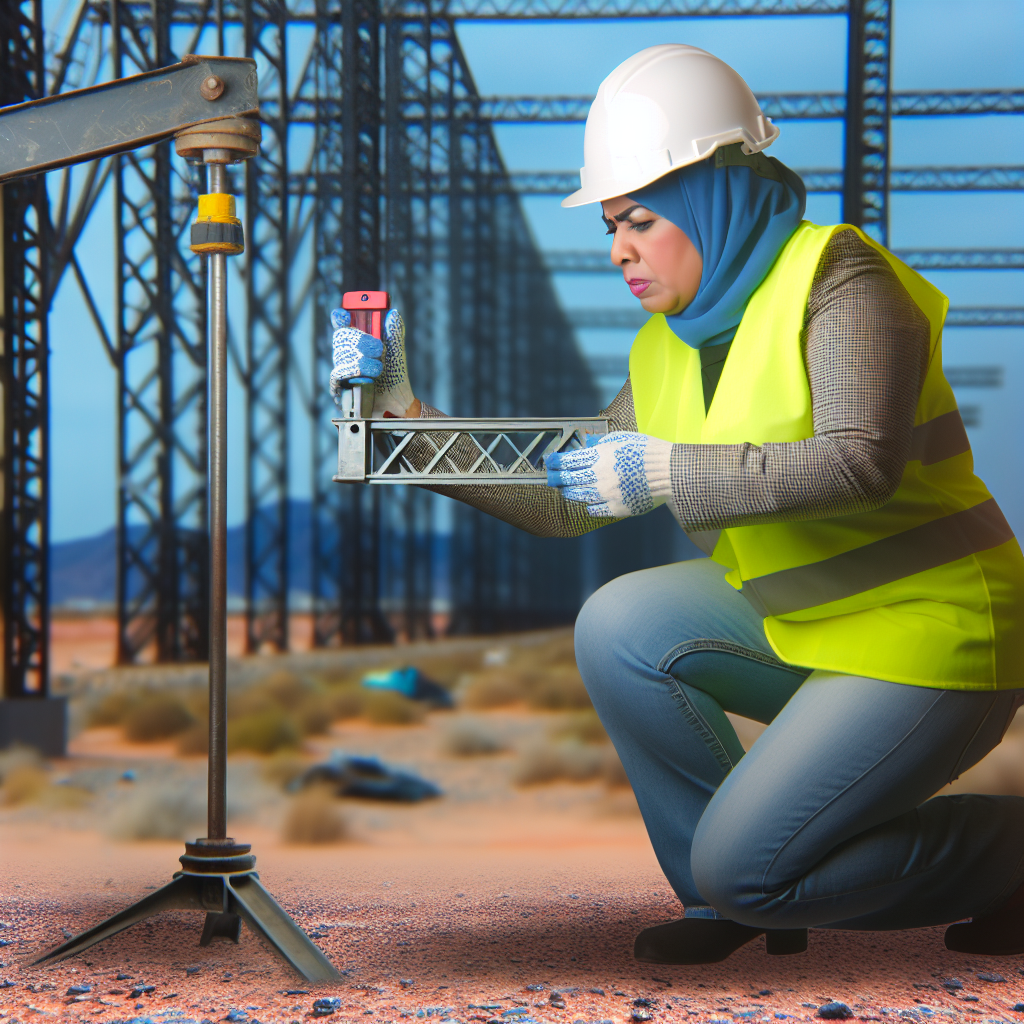
Steel connections are critical components in the construction of robust and reliable structures, ensuring stability and safety under various loads. Testing these connections is essential to verify their performance, durability, and adherence to safety standards. In this article, we will explore the importance of steel connections testing and delve into the key processes involved in ensuring their integrity.
The Significance of Steel Connections Testing
Steel connections serve as the “joint” points within structural frameworks, linking beams, columns, and various structural elements. Their performance directly impacts the entire structure’s safety and longevity. Proper testing of these connections ensures they can withstand specified loads, including shear, tension, and fatigue forces, which are vital under dynamic or extreme conditions.
Testing procedures evaluate several aspects, such as strength, ductility, and weld quality, to prevent failures that could lead to catastrophic collapse or expensive repairs. As structures become more complex and load requirements increase, comprehensive testing becomes indispensable for engineers, manufacturers, and inspectors alike.
Methods and Best Practices in Steel Connections Testing
The process of testing steel connections involves multiple methods tailored to different types of joints and structural requirements. Some of the most widely used testing techniques include:
- Destructive Testing: This method involves applying increasing loads until the connection fails, providing insights into maximum load capacity and failure modes. It includes tension tests, shear tests, and bolted or welded joint failure analyses.
- Non-Destructive Testing (NDT): Techniques such as ultrasonic testing, radiography, and magnetic particle inspections detect flaws or defects in welds and bolts without damaging the connection, ensuring quality control during manufacturing and installation.
- Mock-Up Testing: Full-scale or scaled models of connections are tested under controlled conditions to simulate real-world loads and identify potential issues before actual construction.
Implementing these testing methods involves stringent standards, such as those outlined by ASTM, AWS, or local building codes, which define specific procedures, safety margins, and acceptance criteria. Additionally, advancements in technology now enable real-time monitoring of stresses during testing, providing more precise data for evaluating connection performance.
In conclusion, steel connections testing is a vital part of modern structural engineering, ensuring safety, durability, and compliance with regulatory standards. By understanding the various testing methods and adhering to best practices, engineers and builders can significantly reduce risks and enhance the lifespan of steel structures. Proper testing ultimately translates into safer, more reliable buildings that withstand the test of time.