
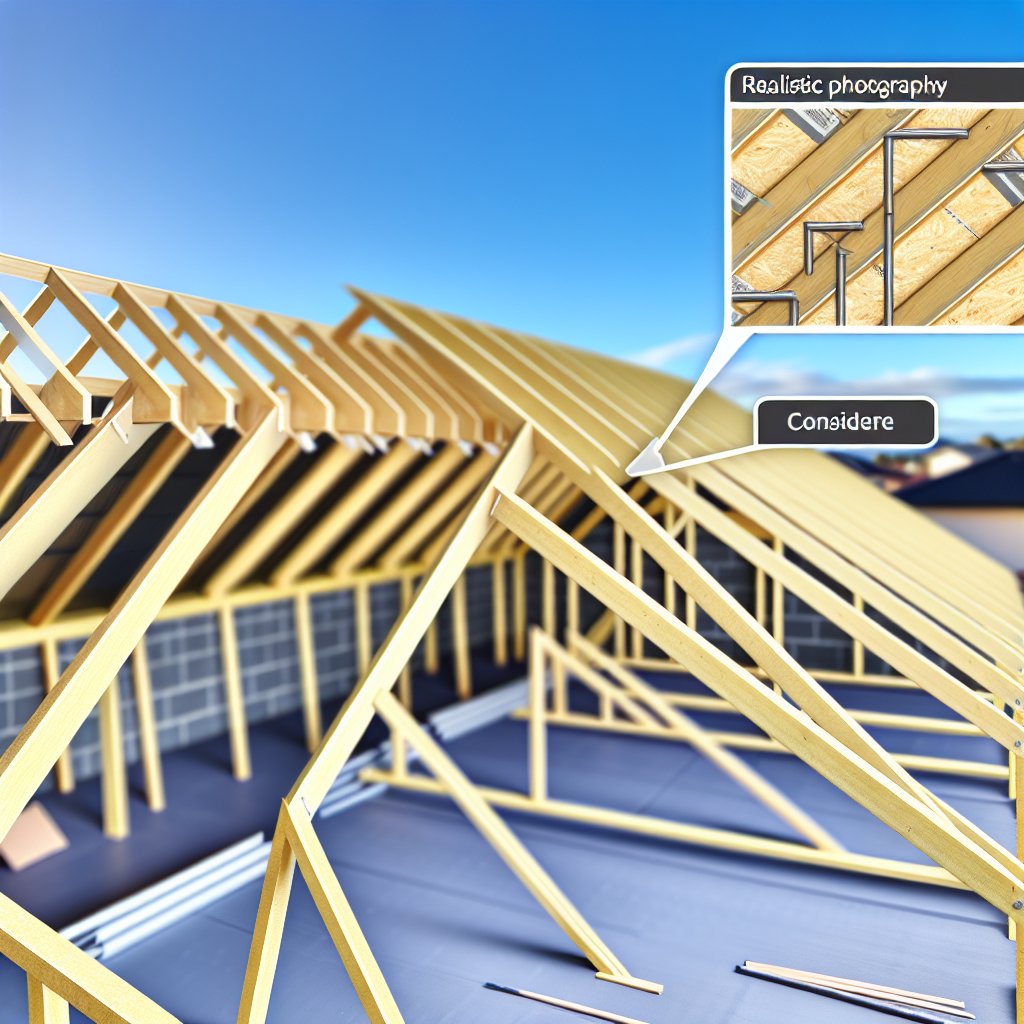
Exploring the Various Designs of Structural Roof Trusses
Structural roof trusses are vital components in construction, providing support and stability to building roofs while allowing for open interior spaces. With a variety of designs available, each suited to specific architectural needs and load requirements, understanding the different types can help in selecting the best option for your project.
Types of Structural Roof Trusses and Their Design Considerations
Roof trusses are engineered frameworks composed of interconnected elements such as beams and braces, designed to distribute loads evenly across the structure. The design of these trusses depends on multiple factors, including span length, load capacity, architectural aesthetics, and cost-efficiency. The main types of roof trusses each offer unique advantages, making them suitable for specific applications.
Common Truss Designs and Their Features
- Warren Truss: Characterized by its diamond-shaped pattern created by equilateral triangles, the Warren truss efficiently distributes both compression and tension forces. Its design provides excellent load capacity and minimal material use, making it popular for medium to long spans.
- Pratt Truss: Featuring diagonal members slanting inward and vertical posts, the Pratt truss primarily handles heavy loads in compression and tension. Its straightforward design simplifies construction, and it is commonly used in industrial and commercial buildings.
- King Post Truss: One of the simplest forms, the King post truss consists of a single central vertical post supporting a triangular framework. Ideal for small spans like residential roofs, its minimal material requirement makes it cost-effective.
- Queen Post Truss: An extension of the King post, the Queen post truss incorporates two vertical posts, allowing for longer spans and increased load capacity. It balances structural integrity with material efficiency, often used in modest-sized buildings.
- Scissor Truss: Known for its distinctive “X” shape, the scissor truss allows for vaulted or cathedral ceilings and high interior spaces. Its design combines aesthetic appeal with structural functionality, suitable for residential and cultural buildings.
Choosing the Right Truss Design for Your Project
Understanding the specific requirements of your building—such as span length, aesthetic goals, budget constraints, and load demands—is crucial when selecting a truss type. For instance, Warren trusses are ideal for expansive spans requiring material efficiency, whereas scissor trusses are preferred for interior aesthetics and vaulted ceilings. Consulting structural engineers can ensure optimal design choice and safety compliance.
Conclusion
Different designs of structural roof trusses serve unique structural and architectural purposes. From the simple King post to the complex Scissor truss, each offers specific benefits that align with various building needs. Choosing the right truss involves understanding both the technical aspects and aesthetic goals, leading to safer, more efficient, and visually appealing constructions. Proper selection and engineering can make your project both durable and aesthetically impressive.