
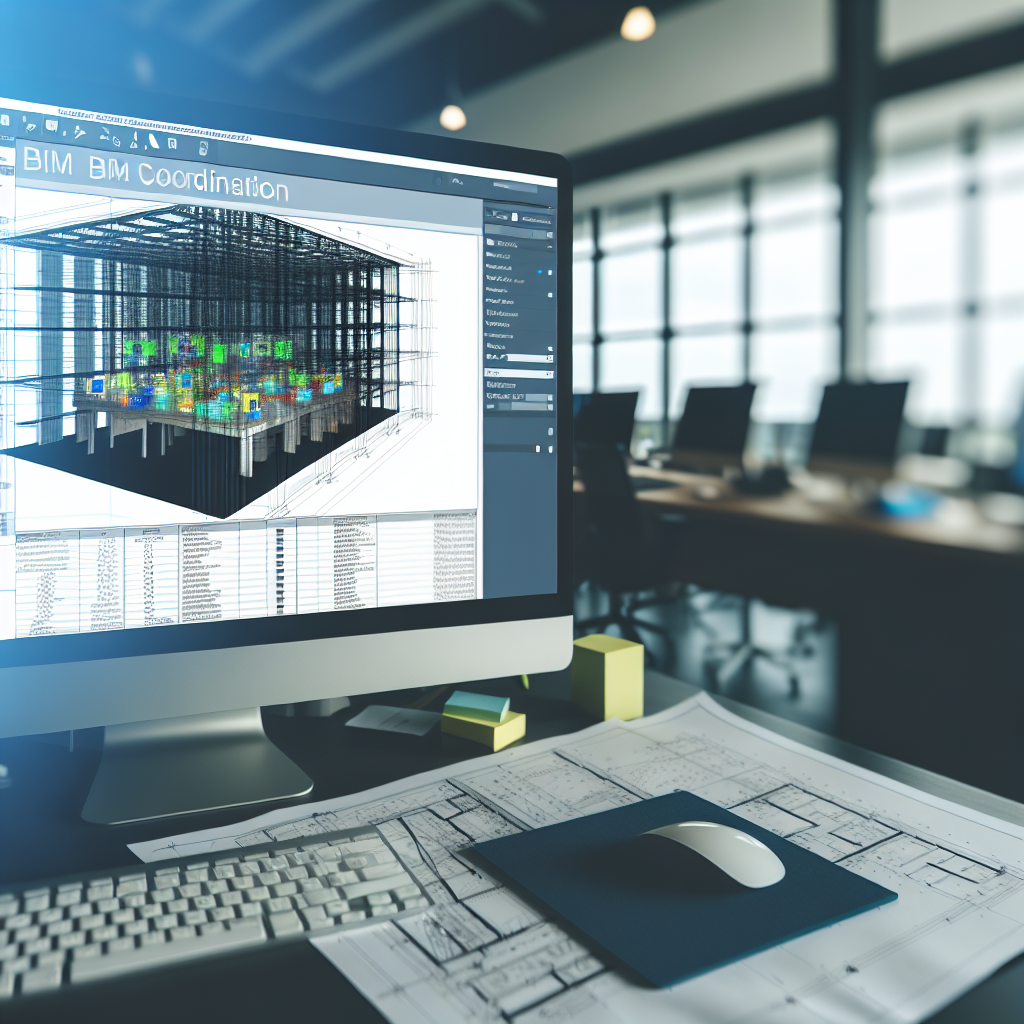
With the continuous evolution of Building Information Modeling (BIM) tools, Autodesk’s Revit 2024 and Navisworks have introduced powerful new features to streamline project coordination. Notably, the addition of **Custom Parameters** and a **new BIM Coordination feature** significantly enhances flexibility and collaboration. This article explores these updates and their impact on construction workflows.
Harnessing Custom Parameters in Navisworks and Revit 2024 for Greater Flexibility
One of the most significant improvements in Revit 2024 and Navisworks is the expanded capability to create and manage **Custom Parameters**. Unlike generic parameters, custom parameters allow users to tailor data fields specific to their project needs, facilitating enhanced data control and retrieval across different software platforms.
This feature empowers BIM managers and project coordinators to embed unique metadata directly into model elements. For example, custom parameters can encapsulate construction sequencing data, special material properties, or project-specific tags that are not available in default settings. The ability to define and assign these parameters ensures a more unified data environment, which is crucial during clash detection, quantity take-offs, and maintenance planning.
Furthermore, in Revit 2024, the interface for creating custom parameters has become more intuitive, allowing users to define parameter groups, data types, and visibility rules. When exported to Navisworks, these parameters can be seamlessly incorporated into model reviews, enabling more comprehensive analysis and real-time decision-making. This interoperability reduces the need for extensive manual data entry or external spreadsheets, streamlining workflow efficiency.
The New BIM Coordination Tool: Elevating Clash Detection and Collaboration
The latest BIM Coordination feature in Revit 2024 and Navisworks revolutionizes how project teams identify, communicate, and resolve clashes. Built upon the robust foundation of previous versions, this update enhances visual differentiation, issue tracking, and collaboration capabilities.
Key aspects of this advancement include:
- Enhanced Clash Visualization: Users can now assign specific colors and tags to different clash categories, making it easier to prioritize and address conflicts directly within Navisworks and Revit. This visual clarity expedites decision-making and reduces oversight.
- Integrated Issue Management: The new tool allows for the creation of detailed clash issues linked directly to model elements, with status updates, comments, and assigned responsibilities managed within a centralized platform. This integration fosters better communication among teams.
- Real-Time Collaboration: By leveraging cloud-connected workflows, project stakeholders can collaborate on clash resolution simultaneously, regardless of their location. Notifications and updates facilitate immediate feedback, accelerating project timelines.
Another notable feature is the ability to customize clash detection rules based on project requirements, improving accuracy and reducing false positives. Moreover, the integration of custom parameters discussed earlier means that clash issues can be enriched with project-specific data, making resolution more targeted and effective.
Conclusion
In summary, the inclusion of **Custom Parameters** and the **new BIM Coordination feature** in Revit 2024 and Navisworks significantly enhances BIM workflows. These updates provide greater flexibility, improved data management, and streamlined collaboration, ultimately leading to more efficient project delivery. Embracing these tools can boost your team’s productivity and ensure more accurate, coordinated results in complex construction projects.