
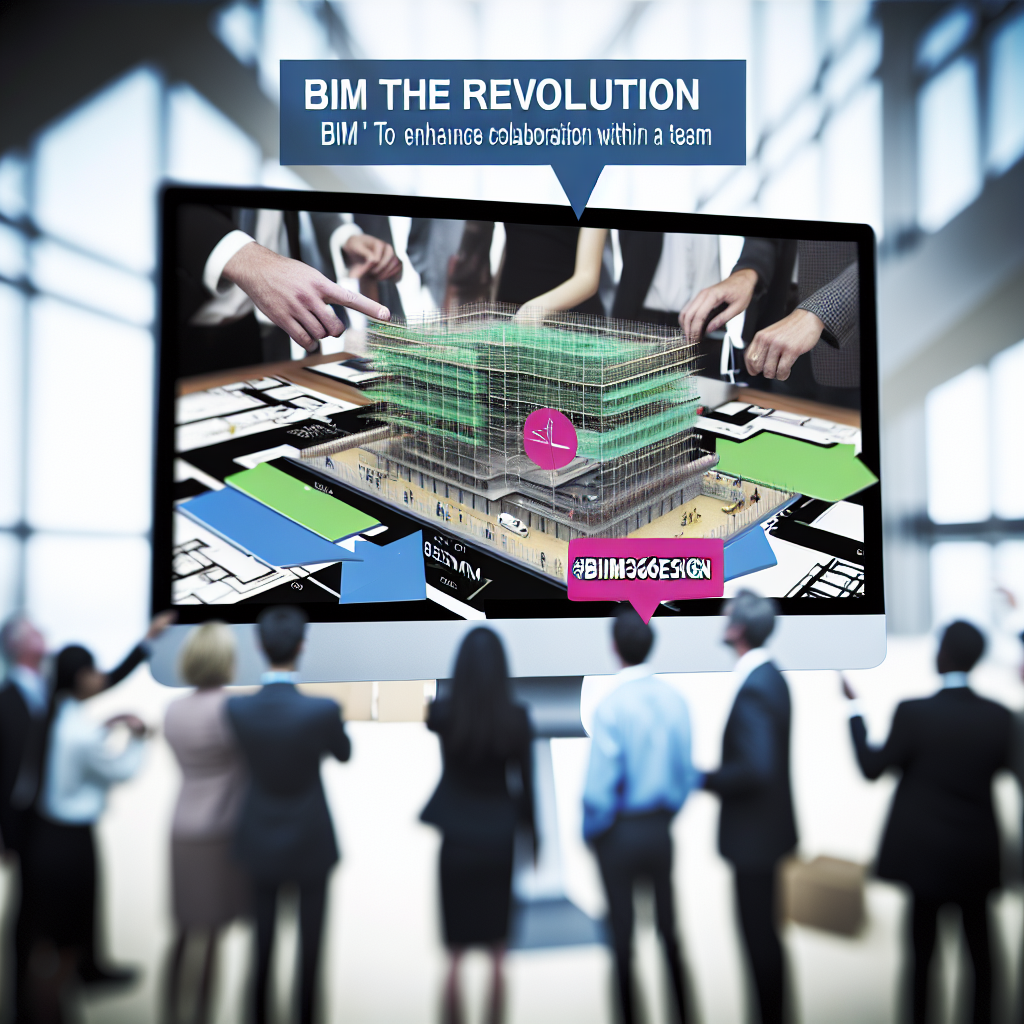
Building Information Modeling (BIM) has revolutionized the architecture, engineering, and construction industries, offering a collaborative platform for designing, planning, and managing projects with unprecedented precision. As BIM technology evolves, tools like #bim360design enable seamless teamwork and improved project outcomes. In this article, we will explore the transformative power of BIM and how #bim360design enhances efficiency and collaboration.
Understanding the Impact of Building Information Modeling (BIM)
Building Information Modeling (BIM) is more than just a digital representation of physical and functional characteristics of a building; it is a collaborative process that integrates multidisciplinary data into a single, coherent model. This integration allows project stakeholders—architects, engineers, contractors, and owners—to work cohesively throughout the project lifecycle. The primary advantage of BIM lies in its ability to improve accuracy, reduce errors, and streamline communication, leading to cost savings and faster project delivery.
With BIM, design visualization becomes more intuitive, enabling stakeholders to identify potential issues early in the planning phase. This proactive approach minimizes costly rework during construction. Additionally, BIM’s capabilities extend to facility management after project completion, offering a comprehensive database for maintenance and future renovations. The adoption of tools like #bim360design further enhances this collaborative environment, making real-time updates accessible to all team members regardless of location.
How #bim360design Amplifies BIM’s Potential
#bim360design is a cloud-based platform that takes traditional BIM workflows to a new level by fostering multi-disciplinary collaboration. It allows team members to work on the same model simultaneously from different locations, ensuring everyone remains updated and aligned. This real-time synchronization significantly diminishes communication gaps and reduces project delays caused by outdated or conflicting data.
Moreover, #bim360design offers features that facilitate project management and quality control:
- Version Control: Ensures all participants work on the latest model iteration, preventing errors from outdated information.
- Issue Tracking: Enables teams to identify and resolve issues promptly, accelerating decision-making processes.
- Document Management: Centralizes all project documentation, providing easy access and reducing dependency on multiple file sources.
This comprehensive suite of tools enhances collaboration by providing transparency and accountability at every project phase. The platform’s ability to integrate with other Autodesk products streamlines workflows, from initial design conceptualization to construction documentation, making #bim360design a vital asset for modern construction projects.
Final Thoughts
Building Information Modeling (BIM) is transforming how construction projects are designed, executed, and maintained, with platforms like #bim360design boosting collaboration, accuracy, and efficiency. By adopting BIM and cloud-based tools, industry professionals can reduce errors, accelerate timelines, and achieve higher quality outcomes. Embracing BIM’s full potential ensures a more innovative, sustainable, and cost-effective future for the built environment.