
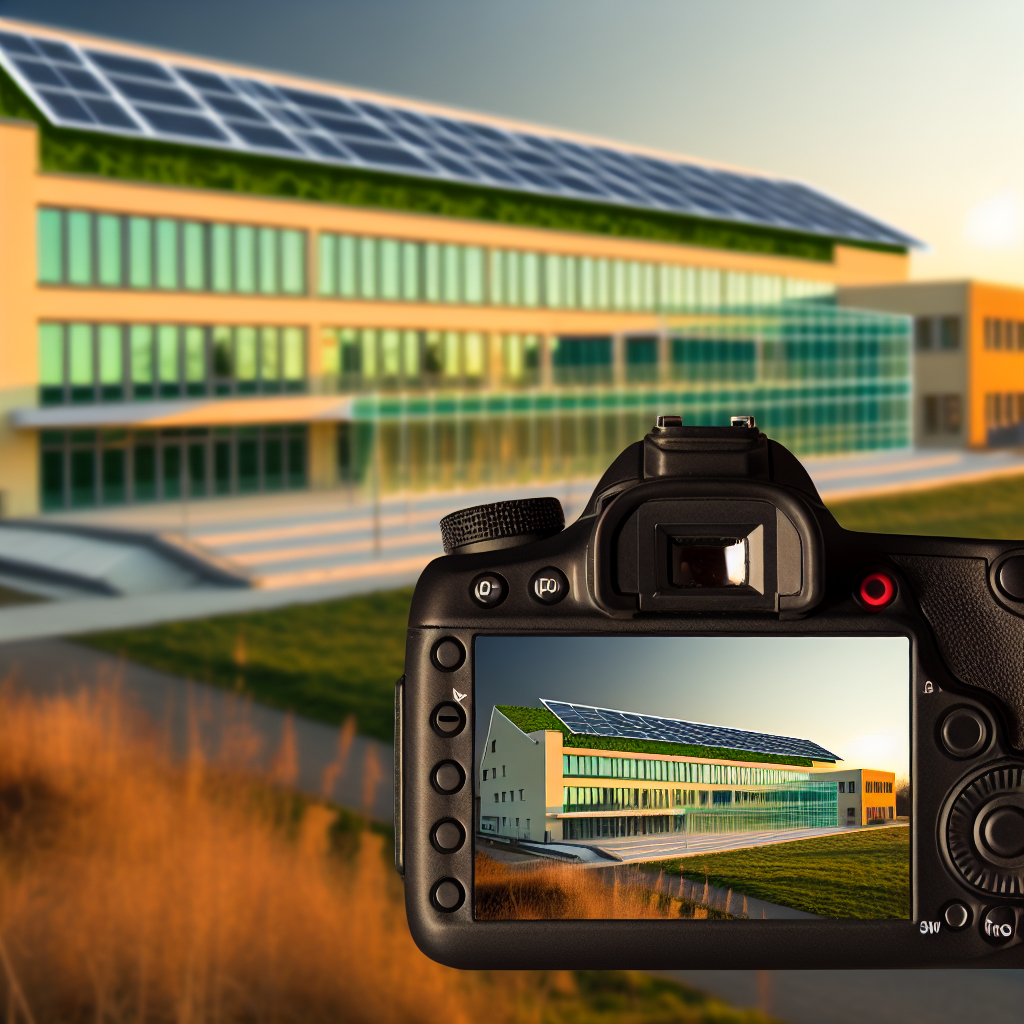
BIM in Sustainable High Performance Buildings Design
Building Information Modeling (BIM) has revolutionized the way architects and engineers approach sustainable, high-performance building design. By enabling precise planning, collaboration, and analysis, BIM fosters environmentally friendly practices that optimize energy efficiency and resource use. In this article, we will explore how BIM drives sustainability and enhances performance in modern construction projects.
Integrating Sustainability Early in the Design Process with BIM
One of the most significant advantages of BIM in sustainable building design is its ability to facilitate **integrated planning from the outset**. During the early conceptual stages, BIM allows designers to simulate and analyze various scenarios for energy consumption, daylight penetration, and natural ventilation. This proactive approach ensures that sustainable principles are embedded into the building’s core design, rather than retrofitted later, which can be costly and less effective.
Through detailed 3D models, stakeholders can visualize environmental impacts and identify opportunities for **innovative sustainable strategies** such as passive solar heating, green roofs, or high-performance insulation. BIM tools incorporate data from environmental assessments and energy modeling softwares, making it possible to optimize building orientation, facade design, and material choices in a unified platform. This holistic view promotes **resource efficiency** and **reduces the carbon footprint** of the development.
Real-time Collaboration and Data-Driven Decision Making for Sustainability
BIM’s collaborative nature streamlines communication between architects, engineers, contractors, and sustainability consultants, ensuring all parties are aligned on sustainability goals. The digital model serves as a **central repository of comprehensive data**, facilitating real-time updates and shared analyses. For instance, energy simulations can be continuously refined as design iterations are made, allowing teams to select **materials and systems** that meet high-performance standards while minimizing environmental impact.
Moreover, BIM enables rigorous **performance analysis** through integrations with Building Performance Simulation (BPS) tools. These analyses include **energy consumption forecasts, life cycle assessments,** and **water efficiency metrics**, guiding decisions towards green building certifications like LEED or BREEAM. This evidence-based approach ensures that the final design not only meets strict performance targets but also adheres to sustainable best practices, leading to **long-term operational savings** and environmental benefits.
Conclusion
In summary, BIM acts as a crucial tool for incorporating sustainability into high-performance building design through early-stage integration, precise analysis, and collaborative decision-making. Its ability to simulate, evaluate, and optimize environmental impacts ensures buildings are more energy-efficient, resource-conscious, and aligned with sustainable development goals. Embracing BIM in building design paves the way for greener, more resilient urban environments.