
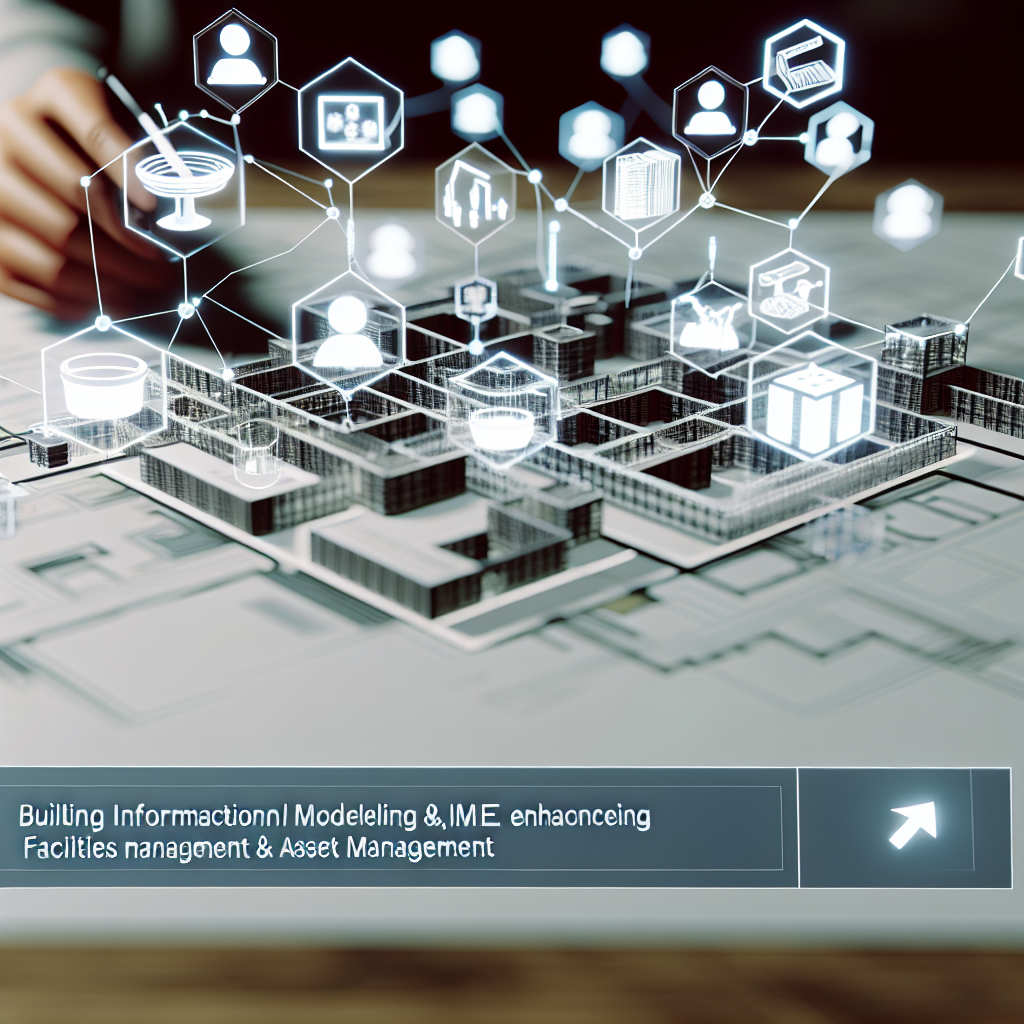
Building Information Modeling (BIM) is revolutionizing the way facilities managers oversee and maintain commercial, industrial, and institutional buildings. By providing a detailed digital representation of assets, BIM streamlines operations, enhances decision-making, and reduces costs. In this article, we’ll explore how BIM empowers facilities managers to optimize building performance and asset management effectively.
Enhancing Maintenance and Asset Management with BIM
For facilities managers, maintaining a complex building involves coordinating numerous systems, components, and schedules. BIM offers a comprehensive 3D digital model that consolidates all asset data into a centralized platform, improving visibility and control. This integration enables proactive maintenance strategies through:
- Real-time Asset Tracking: BIM models incorporate detailed information about equipment location, specifications, and maintenance history, allowing managers to quickly identify and access assets.
- Predictive Maintenance: By leveraging BIM data, managers can predict equipment failures before they occur, scheduling repairs during optimal times and minimizing downtime.
- Improved Workflows: Integration with Asset Management Software enhances task planning, work order tracking, and inventory management, leading to increased efficiency.
Moreover, BIM’s visual clarity aids in performing routine inspections and identifying potential issues early, thus extending the lifespan of building assets and reducing costly repairs.
Streamlining Space Planning and Renovations through BIM
Facilities managers are frequently tasked with space optimization, renovation projects, or adapting existing spaces to new needs. BIM plays a crucial role by providing accurate, up-to-date digital models that facilitate these processes. Benefits include:
- Accurate As-Built Data: BIM models reflect current conditions of the building, reducing errors and unforeseen complications during renovations.
- Collaborative Design and Planning: BIM enables seamless collaboration among architects, engineers, and managers, ensuring all stakeholders are aligned from project inception to completion.
- Cost and Time Efficiency: Detailed 3D models allow for precise visualization of proposed changes, minimizing disruptions, reducing rework, and controlling project costs.
By leveraging BIM, facilities managers can make informed decisions on space utilization, energy efficiency improvements, and modernization efforts, ensuring the building adapts to evolving operational needs.
Conclusion
Incorporating BIM into facilities management enhances asset tracking, predictive maintenance, and space planning, leading to improved operational efficiency and cost savings. BIM’s detailed digital models enable better decision-making, collaboration, and proactive management of building assets. As the industry evolves, facilities managers who adopt BIM will be better equipped to optimize building performance and extend asset longevity.