
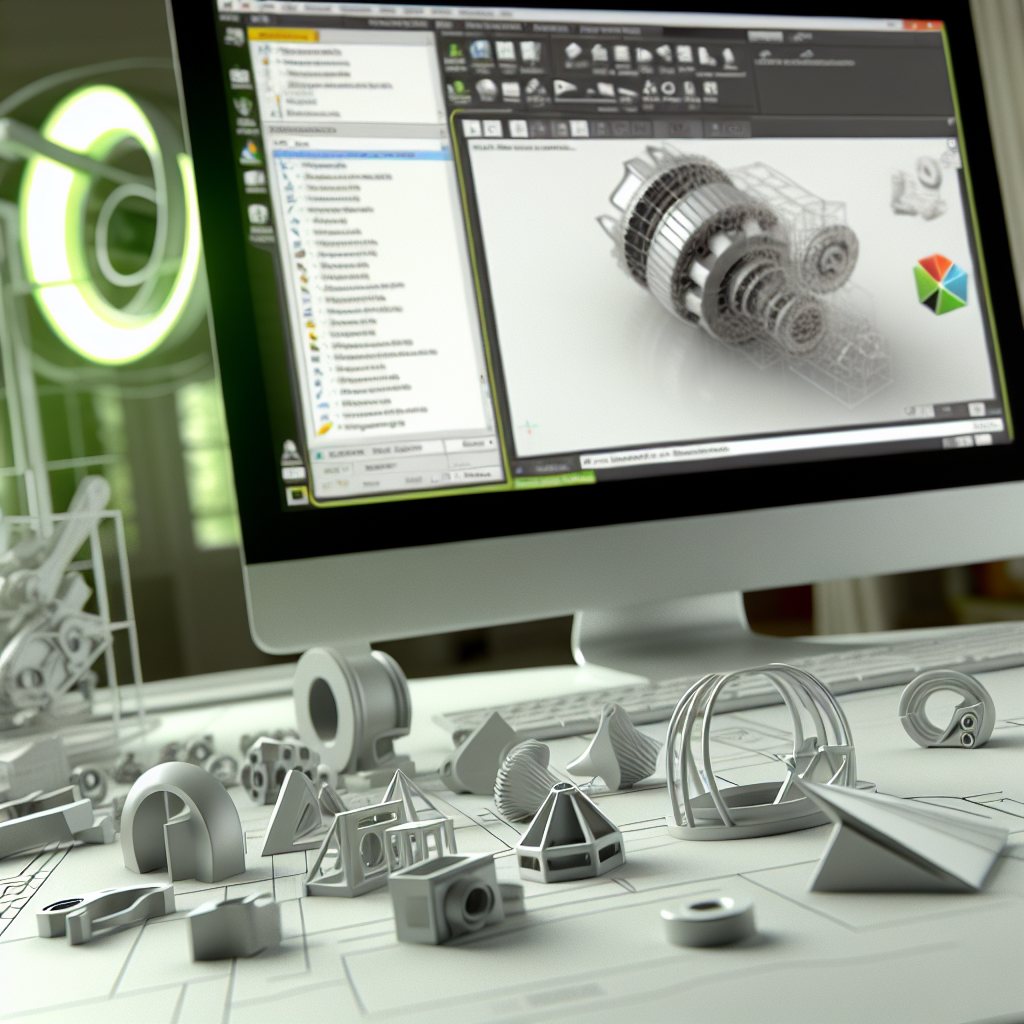
In today’s competitive manufacturing and product development landscape, leveraging robust software solutions is essential for innovation and efficiency. Autodesk’s Product Design and Product Lifecycle Management (PLM) tools offer comprehensive features that streamline design processes, improve collaboration, and enhance overall product management. This article explores how these technologies empower businesses to stay ahead in a dynamic market.
Understanding Autodesk Product Design Tools and Their Role in Innovation
Autodesk offers a suite of product design solutions that enable engineers, designers, and manufacturers to conceptualize, develop, and refine ideas with precision and efficiency. These tools—such as Autodesk Fusion 360, Inventor, and AutoCAD—support the entire design process, from initial sketches to detailed 3D modeling and simulation. By integrating parametric modeling and generative design, Autodesk encourages innovative solutions that optimize material usage, reduce weight, and enhance functionality.
Moreover, Autodesk’s design tools are characterized by their collaborative capabilities. Teams can share design data seamlessly, whether from different departments or geographic locations, fostering a more integrated and agile workflow. The cloud-based nature of many Autodesk platforms also allows real-time updates and version control, which are critical in fast-paced product development environments.
Product Lifecycle Management: Enhancing Efficiency from Concept to Disposal
While advanced design tools enable creation, managing the entire lifecycle of a product requires comprehensive PLM systems. Autodesk’s PLM solutions facilitate this by providing a centralized platform to oversee every stage—from ideation, engineering, manufacturing, to maintenance and end-of-life management. This interconnected approach minimizes errors, reduces rework, and accelerates time-to-market.
Key features of Autodesk’s PLM offerings include:
- Data Management: Securely store and organize design data, ensuring everyone accesses the latest information.
- Process Automation: Streamline workflows such as approvals, change management, and compliance tracking.
- Collaboration and Communication: Break down silos by connecting cross-functional teams and stakeholders through integrated communication tools.
Furthermore, Autodesk’s PLM systems support integration with other enterprise software, such as ERP and supply chain management tools, creating a unified ecosystem that optimizes resource planning and production scheduling. This holistic view ensures that product development aligns with business goals and customer demands.
Conclusion
Autodesk’s Product Design and Product Lifecycle Management solutions form a powerful combination for modern product development. They enable precise design, foster innovation, and ensure efficient management throughout a product’s lifespan. By adopting these technologies, businesses can accelerate innovation, improve collaboration, and gain a competitive edge in the evolving marketplace.