
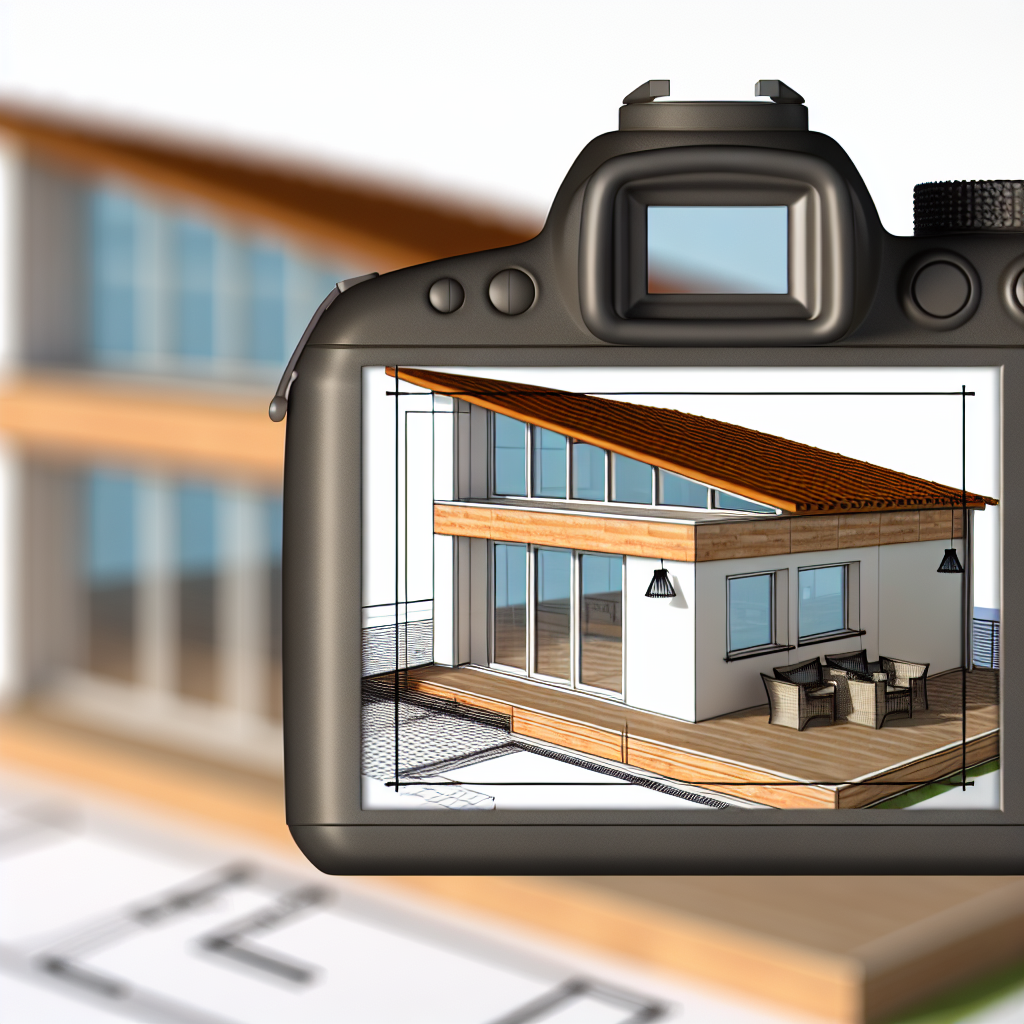
Designing a simple house plan can significantly streamline the building process while ensuring a functional and aesthetically pleasing home. Whether you’re a first-time homeowner or a seasoned builder, a straightforward design offers cost savings, easier construction, and future flexibility. In this article, we’ll explore key tips for creating effective #housedesign, selecting ideal #houseplans, and developing a practical #homeplan that fits your lifestyle.
Keep the Layout Simple and Efficient
When designing a *simple house plan*, the goal is to maximize space with minimal complexity. Focus on an open floor concept where living, dining, and kitchen areas flow seamlessly, reducing the need for excessive hallways and corridors that waste space and increase costs. By prioritizing **functionality over complexity**, you create a home that is easy to navigate and economical to build.
- Prioritize essential rooms: Focus on central spaces like the living room, kitchen, and bedrooms.
- Use versatile room sizes: Small to moderate room sizes ensure affordability and flexibility.
- Limit external walls and rooflines: Simplified shapes such as rectangles or squares reduce construction time and costs.
Choosing a straightforward layout also means easier extensions or modifications in the future, aligning with evolving family needs or preferences.
Focus on Practical Design and Sustainable Choices
Practicality is at the heart of *simple house plans.* Opt for sustainable features such as energy-efficient windows, insulated walls, and a compact footprint that minimizes heating and cooling costs. These choices not only reduce your environmental impact but also make your home more affordable to maintain in the long run.
Additional tips for a practical *homeplan* include:
- Natural light: Incorporate large windows or skylights where possible to reduce reliance on artificial lighting.
- Efficient storage: Use built-in storage solutions to keep clutter out of sight and optimize space.
- Orientation: Position the house to maximize sunlight exposure and protect from harsh winds, enhancing comfort and energy efficiency.
By emphasizing these features, your simple house design becomes not only easy to construct but also a sustainable, comfortable home tailored to daily living.
In summary, creating a simple house plan involves designing an efficient layout that prioritizes functionality, cost-effectiveness, and sustainability. Focusing on open spaces, practical features, and smart orientations results in a home that is both beautiful and easy to maintain. With these tips, you can develop a *house plan* that meets your needs while keeping things straightforward and accessible for any builder or homeowner.