
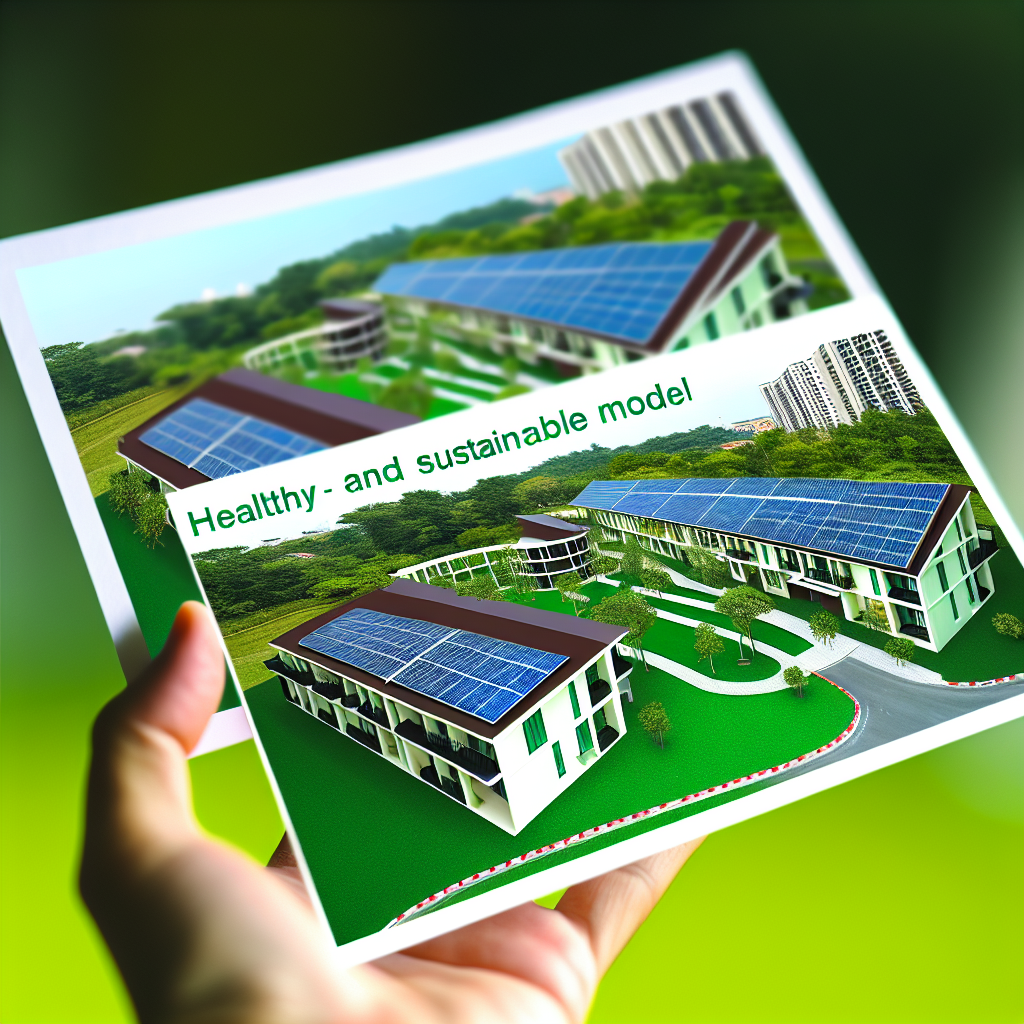
Effective model management is essential for ensuring the longevity, health, and overall success of architectural and design models. Kevin Fielding of Sheppard Robson emphasizes the importance of balancing technical precision with sustainable practices to maintain model integrity over time. This article explores key strategies for managing models effectively, combining technical expertise with innovative approaches.
Understanding the Foundations of Model Durability and Health
Before diving into management techniques, it’s crucial to understand what contributes to a model’s health. Kevin Fielding stresses that maintaining a model isn’t merely about visual accuracy; it involves ensuring structural integrity, material appropriateness, and environmental stability. Factors such as choice of materials, storage conditions, and handling procedures directly impact a model’s longevity.
In practice, this means selecting durable, high-quality materials suited for long-term use and minimizing exposure to damaging elements like moisture or excessive light. Also, implementing a structured maintenance routine—regular cleaning, dust removal, and periodic inspection—helps identify potential issues early, preventing minor damages from escalating into major problems. Such proactive care safeguards the model’s fidelity over time and ensures it remains a reliable representation of architectural intent.
Integrating Sustainable Practices into Model Management
Kevin Fielding advocates for sustainable approaches as an integral part of model management. This involves considering environmentally friendly materials and methods that reduce waste and limit the ecological footprint of model production and upkeep. Incorporating reusable components, recyclable materials, and low-impact adhesives aligns with the growing emphasis on sustainable architecture.
Additionally, digital modeling has transformed traditional practices by allowing architects and designers to create highly detailed virtual representations that reduce reliance on physical models. When physical models are still necessary, practices like 3D printing with eco-friendly filaments or modular designs that can be easily updated reduce costs and environmental impact. A sustainable approach not only prolongs the life of physical models but also reflects the ethical responsibilities of modern design professionals.
Conclusion
In conclusion, maintaining a healthy model involves a thorough understanding of material properties, environmental factors, and sustainable practices. Kevin Fielding’s insights highlight that effective model management is an ongoing process of careful selection, routine maintenance, and embracing innovative methods such as digital technology. By adopting these strategies, architects and designers can ensure their models remain accurate, durable, and environmentally responsible for years to come.