
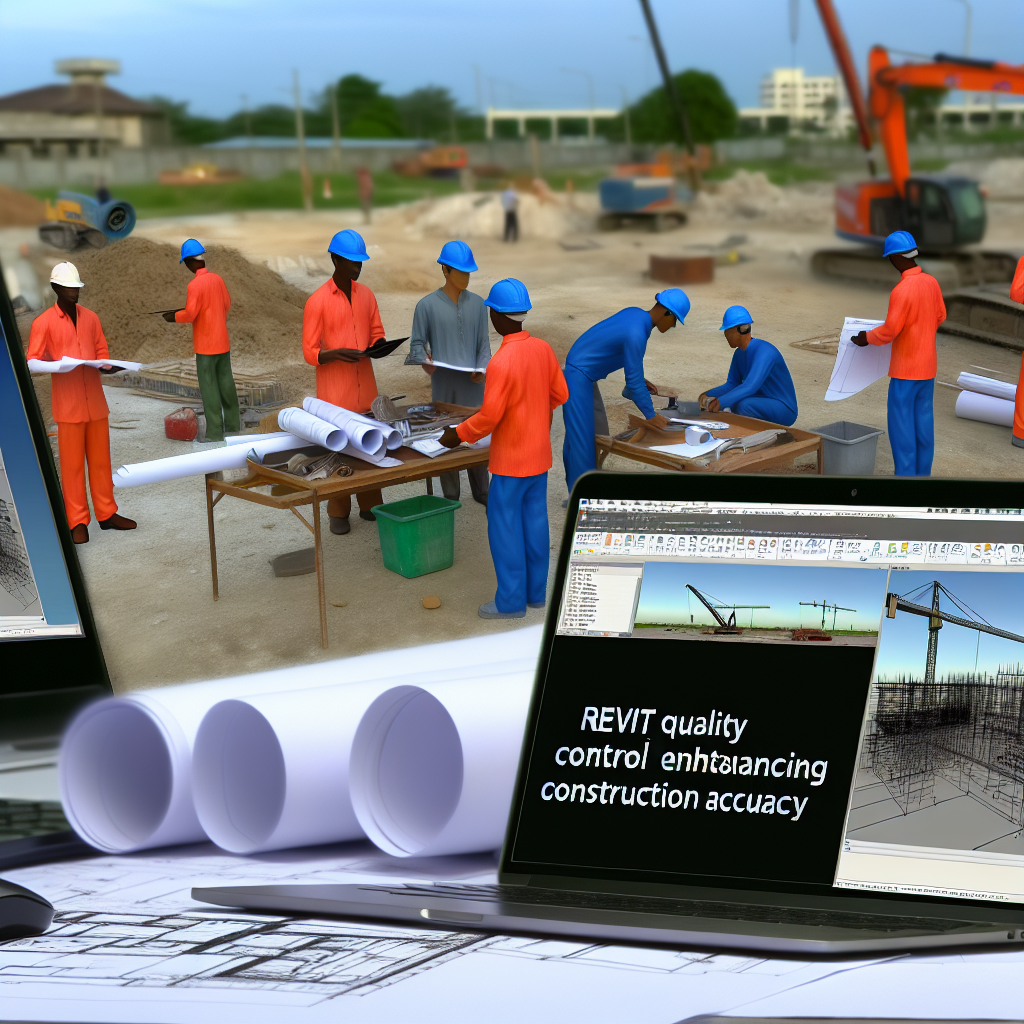
Enhancing Construction Accuracy with Revit and Quality Control
In modern construction and design, achieving precision and reliability is crucial for project success. Revit, a leading Building Information Modeling (BIM) software, plays a significant role in streamlining workflows and ensuring quality control throughout the project lifecycle. This article explores how integrating Revit with rigorous quality control processes can significantly improve project outcomes.
Revit as a Central Tool for Accurate Model Management
Revit’s comprehensive 3D modeling capabilities facilitate detailed and accurate representations of building components, systems, and structures. By creating a centralized digital model, teams can detect clashes, inconsistencies, and design errors early in the project lifecycle. The collaborative environment of Revit enables architects, engineers, and contractors to work on a unified platform, reducing miscommunications that often lead to costly rework.
Moreover, Revit’s parametric design features allow for real-time updates, ensuring all stakeholders have access to the latest project data. This real-time synchronization contributes to a higher level of quality assurance, as discrepancies are identified and resolved promptly, minimizing errors before construction begins.
Implementing Quality Control through Revit-Integrated Processes
While Revit provides the digital blueprint, effective quality control requires systematic processes integrated within this environment. These include:
- Model audits and clash detection: Regularly running clash detection tools within Revit helps identify conflicts between different building systems, such as ducts and electrical conduits, before physical construction, saving time and reducing costly modifications.
- Standards and protocol enforcement: Establishing strict modeling standards within Revit ensures consistency across teams. Templates, shared parameters, and naming conventions contribute to maintaining quality throughout the project.
- Data validation and review: Utilizing Revit’s scheduling and tagging features allows for thorough material, component, and quantity checks, supporting procurement accuracy and quality assurance during construction.
Integrating these practices into the project workflow ensures that quality control is proactive rather than reactive, leading to enhanced project efficiency, safety, and sustainability.
Conclusion
Leveraging Revit’s advanced modeling tools combined with systematic quality control processes significantly enhances construction precision and project outcomes. From early clash detection to standardized modeling practices, integrating these elements ensures fewer errors and streamlined workflows. For professionals seeking reliable project delivery, embracing Revit-based quality control is essential for modern construction success.