
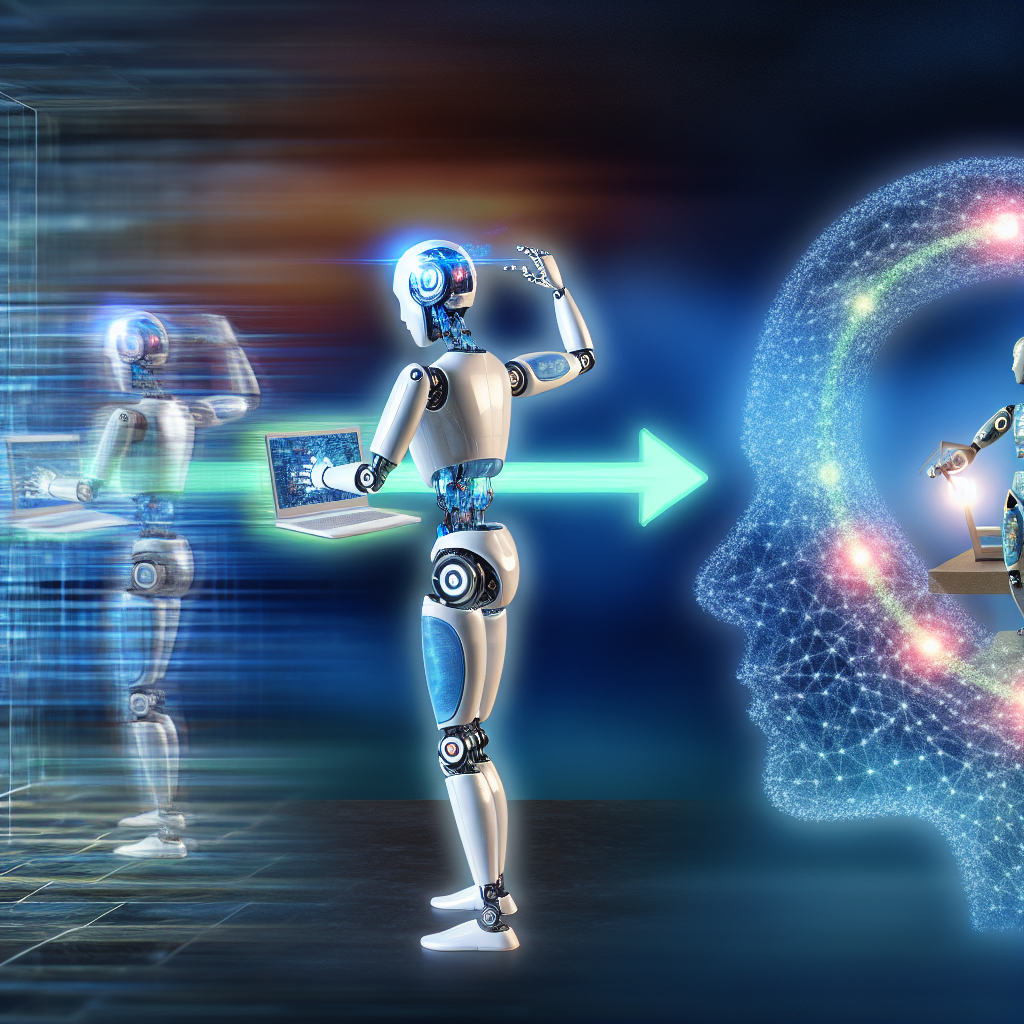
Artificial Intelligence (AI) agents are transforming the way businesses and individuals interact with technology. These intelligent systems can perform tasks, make decisions, and adapt to new information autonomously. Understanding AI agents can seem complex, but breaking down their operation into three simple steps reveals how they function seamlessly in various applications.
How AI Agents Operate: The Three Core Steps
Step 1: Perception and Data Collection
AI agents begin by perceiving their environment through data collection, often via sensors or data inputs such as images, text, or numerical information. This step involves processing raw data to understand the current context. For example, a virtual assistant perceives voice commands, while a robotic agent gathers visual and spatial information from its surroundings. The quality and scope of perception directly influence the agent’s subsequent decision-making capabilities.
Step 2: Processing and Decision-Making
Once the data is collected, the AI agent processes this information using algorithms, often powered by machine learning models. This stage involves analyzing patterns, recognizing important features, and predicting outcomes. The agent then formulates its decision based on predefined goals or learned behaviors. For example, a recommendation system evaluates user preferences and suggests relevant content, while a self-driving car determines whether to brake or accelerate based on sensor data.
Step 3: Action and Learning
The final step is executing the decision by performing a specific action, such as providing a response, controlling a device, or navigating an environment. Modern AI agents also incorporate feedback mechanisms, allowing them to learn from their actions and improve over time. This continuous learning loop enables AI agents to adapt to changing conditions, refine their decision-making skills, and enhance overall performance, making them more efficient and autonomous with each interaction.
Conclusion
By understanding the three steps—perception, processing, and action—you can grasp how AI agents operate autonomously to perform complex tasks. This streamlined process is fundamental to many innovative applications across industries, from virtual assistants to autonomous vehicles. Recognizing these steps helps appreciate the potential of AI agents in shaping a smarter, more connected future.