
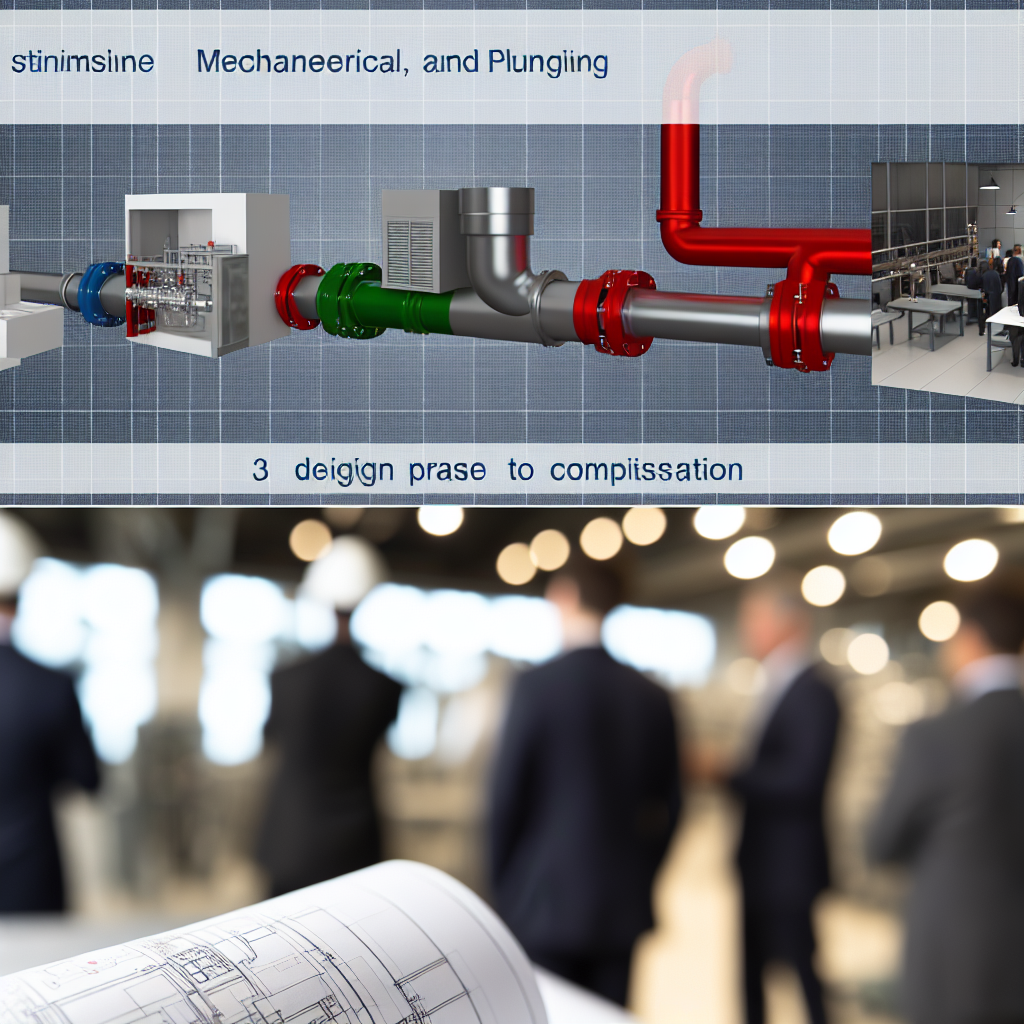
Achieving seamless coordination from the initial design phase to final commissioning is essential for MEP (Mechanical, Electrical, and Plumbing) contractors. Implementing a unified workflow ensures efficiency, reduces errors, and enhances project delivery. This article explores the key stages and best practices that enable MEP contractors to streamline their processes effectively.
Design Integration and Digital Collaboration for Accurate Planning
In the initial stages, **comprehensive design integration** is paramount. Modern MEP projects rely heavily on Building Information Modeling (BIM) to create detailed, accurate digital representations of all systems. BIM facilitates collaboration between architects, engineers, and contractors by providing a shared platform for design review, clash detection, and conflict resolution, which minimizes costly revisions during construction.
Effective digital collaboration tools enable real-time updates and feedback, ensuring everyone is aligned with project specifications. This reduces miscommunication and fosters a proactive approach to identifying potential issues early in the process. Emphasizing coordination at this stage significantly lowers the risk of rework and delays during later phases.
From Design to Construction: Streamlining Installation and Commissioning
Once the design is finalized, the transition to construction demands an organized, systematic workflow. This involves meticulous planning for installation, including sequencing, resource allocation, and prefabrication where possible. Leveraging project management software and digital twins helps monitor progress and address challenges proactively.
During installation, **quality control** and **rigorous testing** are crucial. Digital tools enable contractors to document outcomes, track compliance, and ensure systems meet code standards. Upon completion, a structured commissioning process verifies system performance, ensuring that all MEP components operate optimally prior to handover. Incorporating feedback loops and documentation ensures a smooth transition from construction to operational management.
In conclusion, a unified workflow from design to commissioning is vital for MEP contractors aiming for project success. Integrating digital collaboration tools, meticulous planning, and thorough testing ensures efficiency, minimizes errors, and guarantees systems function flawlessly. Adopting these practices empowers contractors to deliver high-quality projects on time and within budget, ultimately enhancing client satisfaction and operational longevity.