
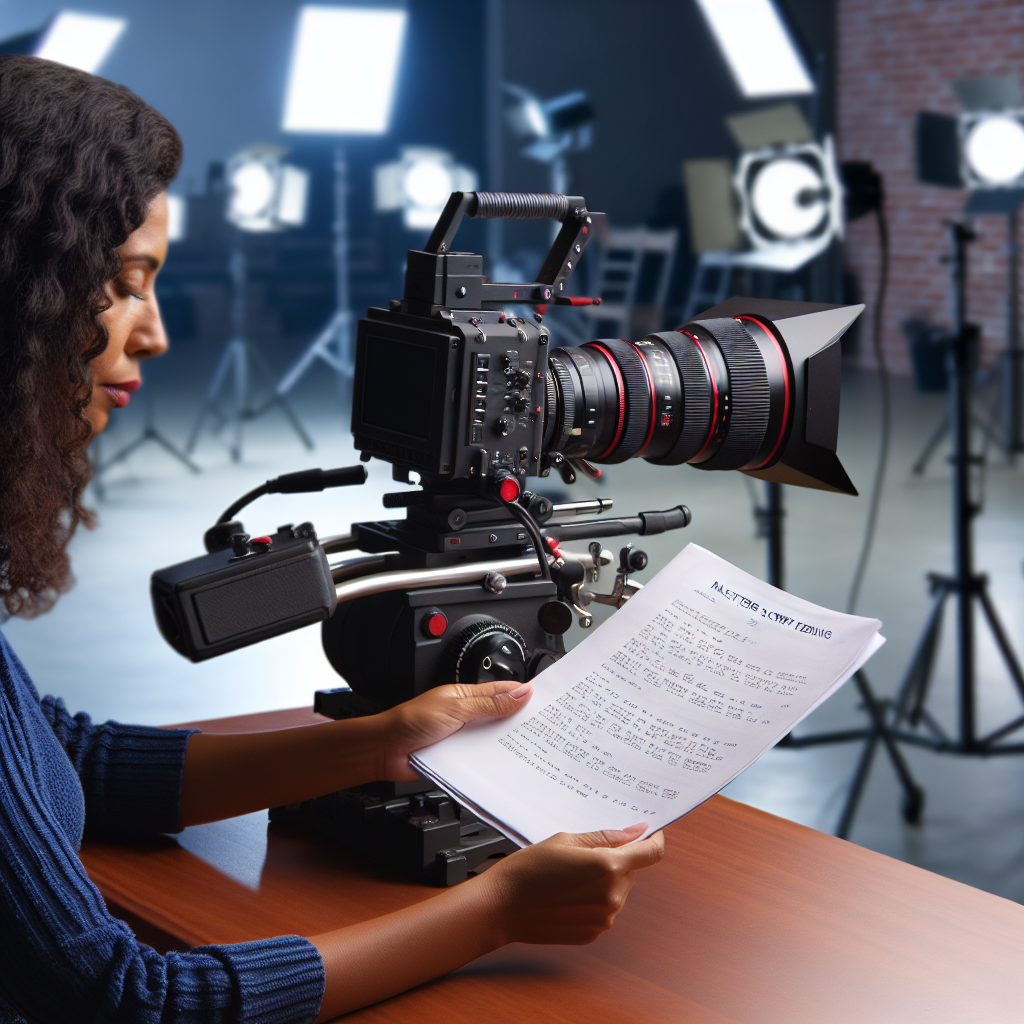
Mastering how to read a script effectively during filming is essential for creating smooth, professional videos. Proper script reading enhances delivery, maintains audience engagement, and reduces on-set mistakes. In this article, we’ll explore key techniques to help you read a script confidently and seamlessly during your next shoot, ensuring polished and compelling video content.
Preparing for a Smooth Script Delivery
Effective script reading begins long before the cameras start rolling. Preparation is crucial to ensure you deliver your lines naturally and confidently. Start by thoroughly familiarizing yourself with the script. Read it multiple times aloud, paying attention to tone, emphasis, and pacing. This deep engagement helps embed the content in your memory, reducing reliance on the script during filming.
Breaking down the script into smaller sections or beats can also improve delivery. Identify key phrases, emotional cues, and pauses to emphasize effective storytelling. Practice in a quiet environment to refine your intonation and gestures. Additionally, consider marking your script with annotations—underline important words, note breathing points, or add cues—to serve as visual reminders during filming.
Techniques for Reading the Script During Filming
When actual filming begins, managing your script reading efficiently becomes key. Use a few practical strategies:
- Use a Teleprompter: If possible, employ a teleprompter to display your lines at eye level. This allows you to maintain eye contact with the camera while reading naturally, reducing the appearance of reading directly from a paper.
- Minimize Distractions: Keep your script or teleprompter clear and within easy view. Practice using quick glances to avoid breaking character or losing flow.
- Maintain Natural Pacing: Practice speaking at a natural pace, avoiding rapid or choppy deliveries. Pauses should feel organic, not forced, which can be achieved through rehearsal and breath control techniques.
- Use Anchor Points: If reading from paper, position your script in a consistent spot or use subtle gestures to guide your eye. This consistency helps prevent excessive shifting or significant pauses, leading to smoother delivery.
Remember, authentic performance often comes from comfort and familiarity. Incorporate rehearsal time to simulate filming conditions, which eases nerves and improves your ability to read confidently without losing connection with your audience.
In conclusion, mastering how to read a script during filming involves thorough preparation and employing practical techniques such as using teleprompters, managing pacing, and familiarizing yourself with your lines. Implementing these strategies results in more natural, professional videos that engage viewers effectively. With practice, reading scripts becomes a seamless part of your filming process, elevating the quality of your content and boosting your confidence in front of the camera.